Industry Client · General Motors · 2026
GM Convoy
community, not data.
Designing a group coordination experience for the 2030 Chevrolet Silverado EV Trail Boss — built around how truck drivers actually live with each other, not just how they drive.
Team
Dhwani, Sara & Julia
Timeline
Jan – May 2026
Vehicle
Silverado EV Trail Boss
Methods
Interviews · Prototyping · 3D usability testing
The User
Meet John Smith.
"I go off roading with my friends all the time. We call it 'platooning'."
Who he is
Mid-30s · Pacific Northwest · Eco-conscious EV truck owner who camps and goes off-roading every weekend with his crew.
Primary motivation
A vehicle that supports his whole lifestyle — not just getting from A to B.
Pain point
The sheer effort of planning, syncing with friends, and staying connected during group trips — done across 3+ apps and a pile of texts.
What he needs
Adaptive interfacing that handles coordination automatically — so he can focus on the drive, not the logistics.
The Problem
Group trips are frustratingly manual.
GM tasked us with designing for 2030 — not patching today's UI. After talking to real truck owners, one theme dominated: coordination overhead kills the vibe. Planning convoys, syncing routes, staying in touch mid-drive — all done through a patchwork of texts and apps with zero native vehicle support.
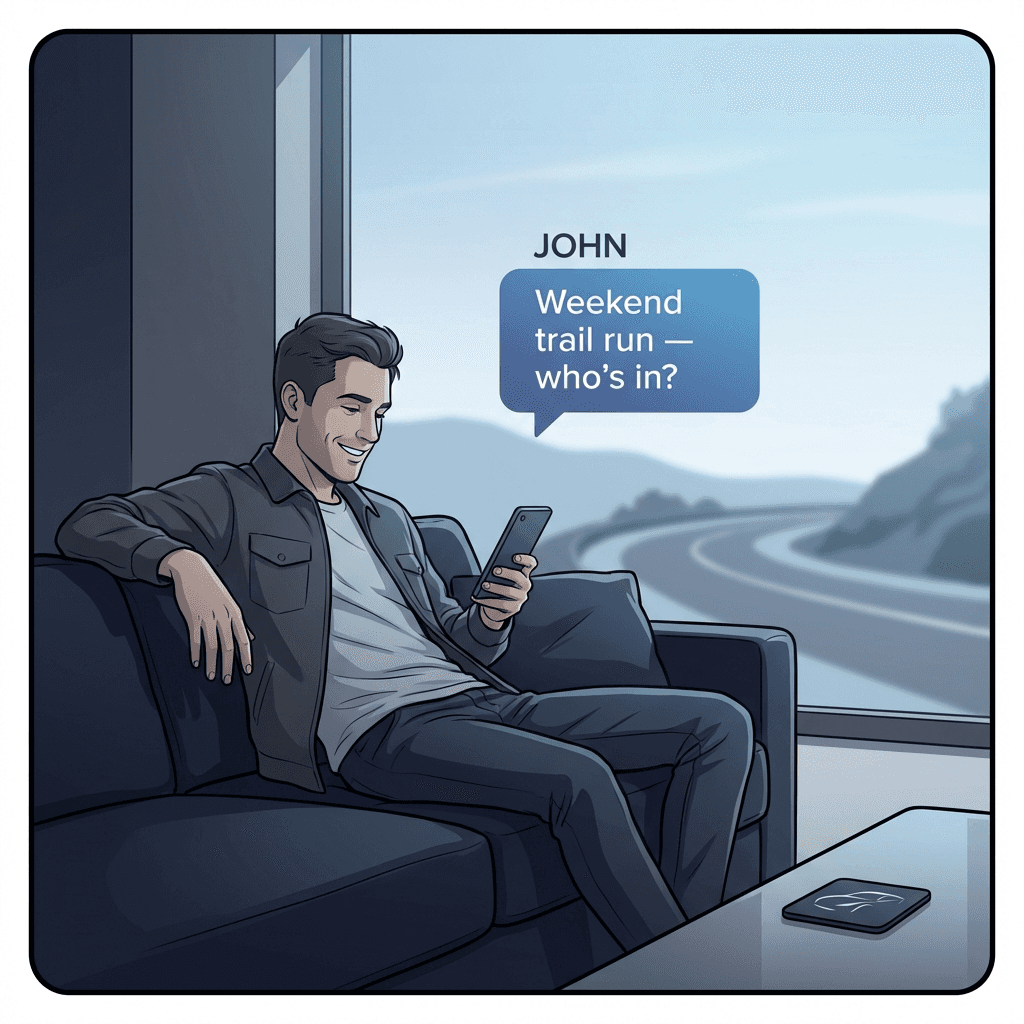
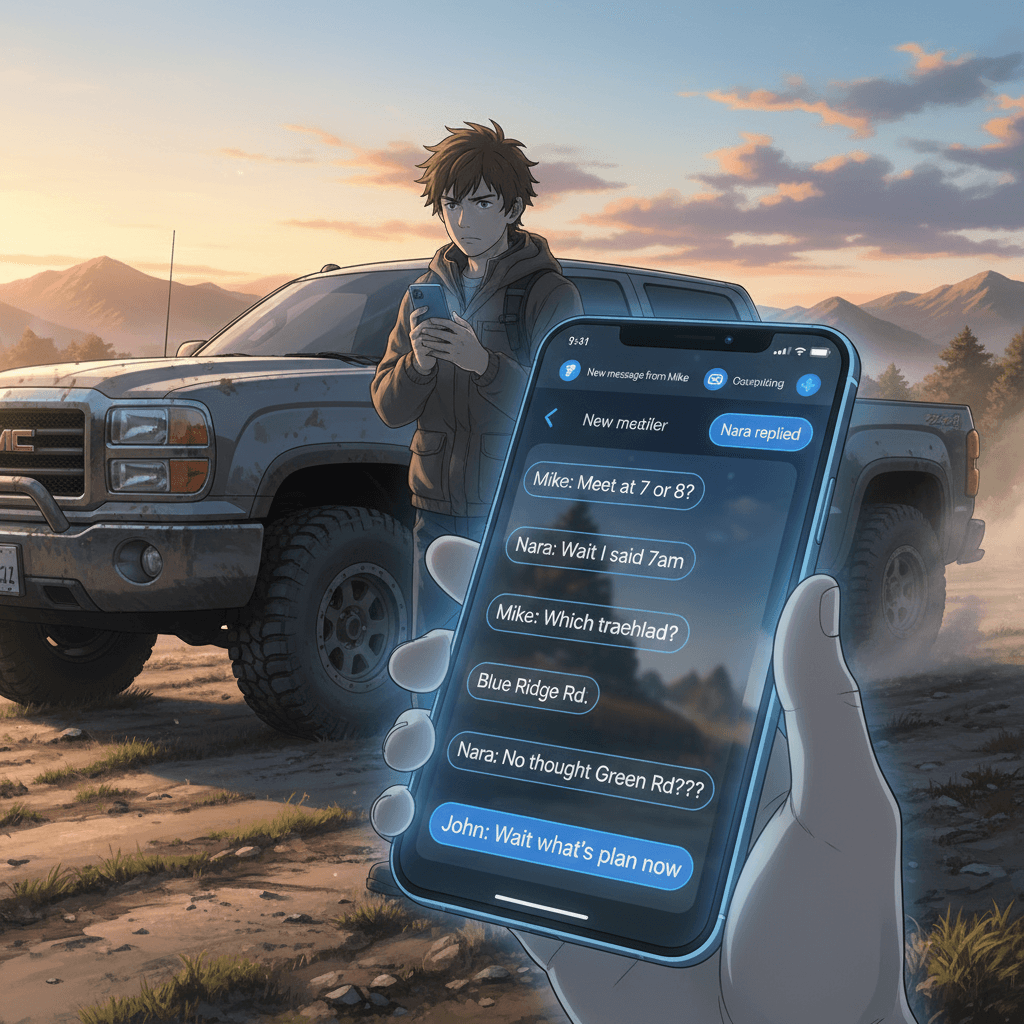
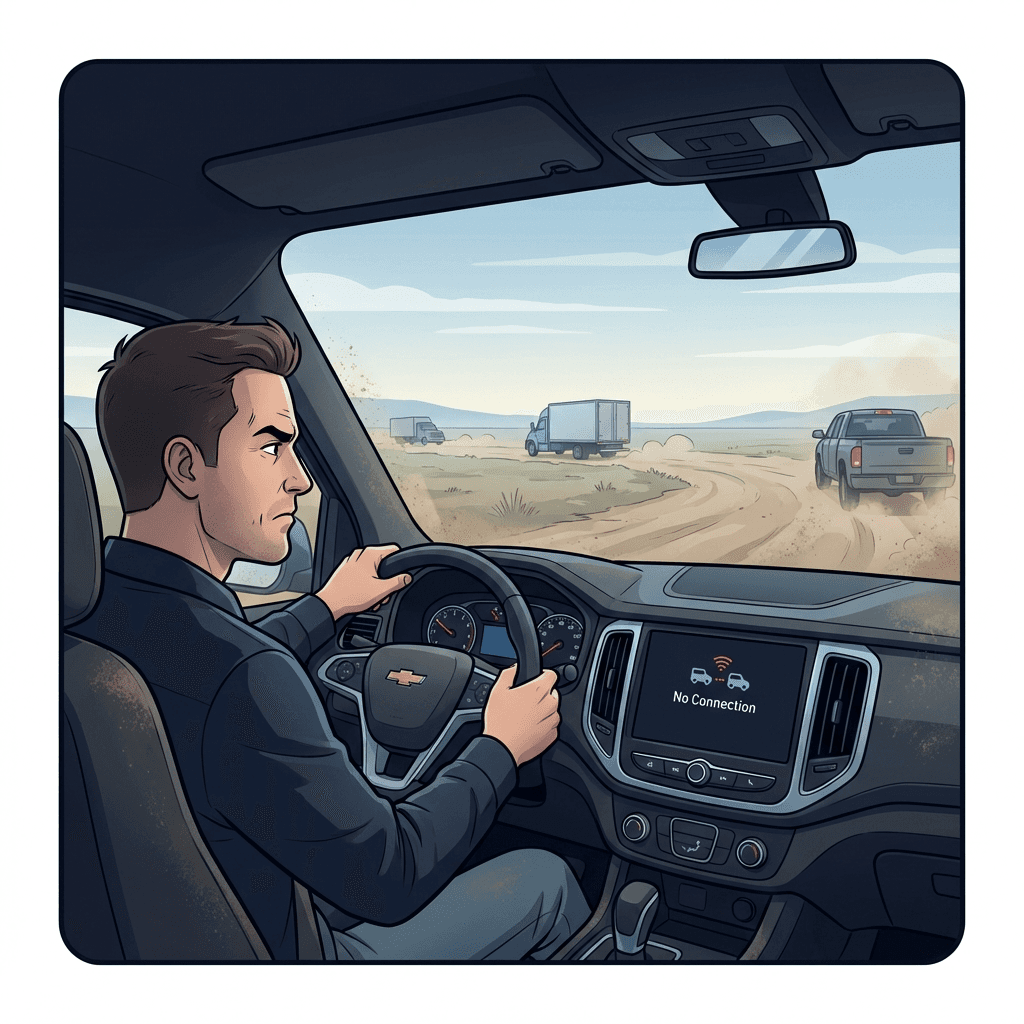
The Problem — planning chaos, mid-text coordination, distracted driving
The Pivot
We killed our first idea.
Our original concept was biometrics — tracking driver stress, heart rate, alertness. Technically ambitious. Users told us it felt invasive and wasn't what they needed. We scrapped it entirely and pivoted to something more human.
✕ Scrapped
Biometrics Monitoring
Tracked stress, heart rate, alertness. Felt invasive. Users didn't ask for it and didn't want it.
→ Final Direction
GM Convoy — Community First
Built around how drivers actually connect and travel together. The pivot wasn't a failure — it was the research working exactly as intended.
Work Process
Step 1
User Research — Real Truck Drivers
We talked to actual truck owners before touching a frame. Their habits, rituals, and frustrations shaped everything — including killing the biometrics idea.

Step 2
Competitive Analysis
Mapped Rivian, Lucid, GMC Hummer EV. No one had cracked group driving. That gap confirmed our direction was the right bet.
Step 3
Journey Mapping — Before / During / After
Structured the entire experience around three phases of a group trip. Each phase had different friction, different needs, different opportunity.
Step 4
Advanced Prototyping — iPads in 3D Truck Models
Built Figma prototypes with conditional HVAC logic (auto Hi above 80°F, Lo below 70°F), mounted in 3D printed truck cabs for real usability testing.
The Design
GM Convoy.
A native group coordination system built into the Silverado EV. Convoy invites, real-time group maps, shared messaging, and smart cabin automation — all without leaving the vehicle interface.
Meet John Smith — the user our design was built around
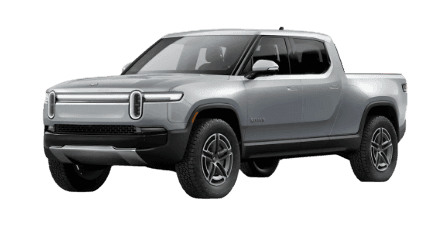
Vehicle — Silverado EV Trail Boss · Competitive analysis — Rivian, Lucid, GMC Hummer EV
Smart HVAC
Auto Hi above 80°F, Lo below 70°F. Cabin adjusts itself so the driver doesn't have to.
Convoy Invites

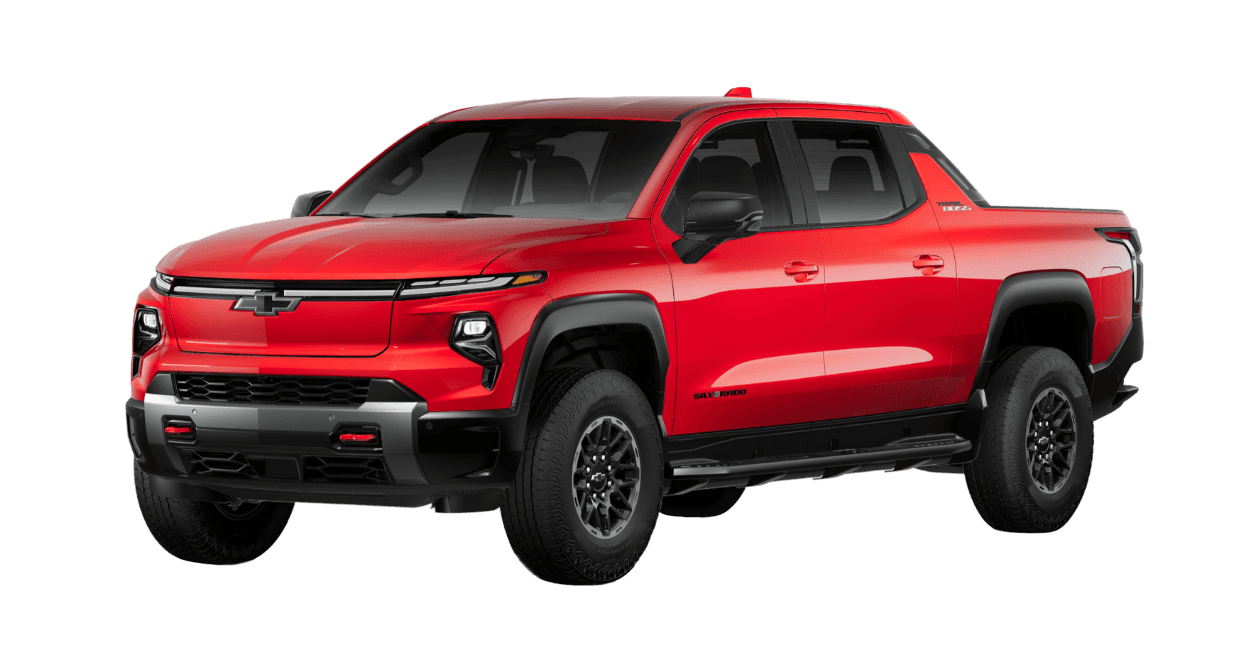
Send and accept group drive invites directly from the vehicle's message center. No third-party apps.
Group Map
Real-time view of every convoy member's location during the drive.
Three reasons GM wins.
Why This Matters to GM
01
Data & Scalability
GM gains a richer pool of driver data, enabling the Convoy app to scale and feed future AI integrations.
02
Brand Loyalty
GM truck owners feel exclusive access to a feature no competitor has — driving friends to buy GM to join in.
03
Builds on GM Evolve
GM Evolve tech acts as the foundation — enabling future AI, in-cabin cameras, and cloud storage at scale.
I went in thinking the most impressive idea would win. Our users told us otherwise — and scrapping biometrics was the best decision we made. This project taught me that research isn't a formality before design — it's what design is made of. I also left with skills I didn't have going in: advanced conditional prototyping in Figma, physical usability testing in a 3D truck model, and the discipline to kill a good idea for a better one.
What I learned.
Reflection
Next project →


Home
Works
Services
About
FAQ
Contact